

What to Do If Your Child Is Being Bullied: A Parent’s Guide
When parents discover that their child is being bullied at school, they often feel deep anxiety and anger. In such moments, it is important to remain calm, understand the situation, support your child, and take appropriate action. This guide provides parents with expert, step-by-step strategies to protect and help their child recover.
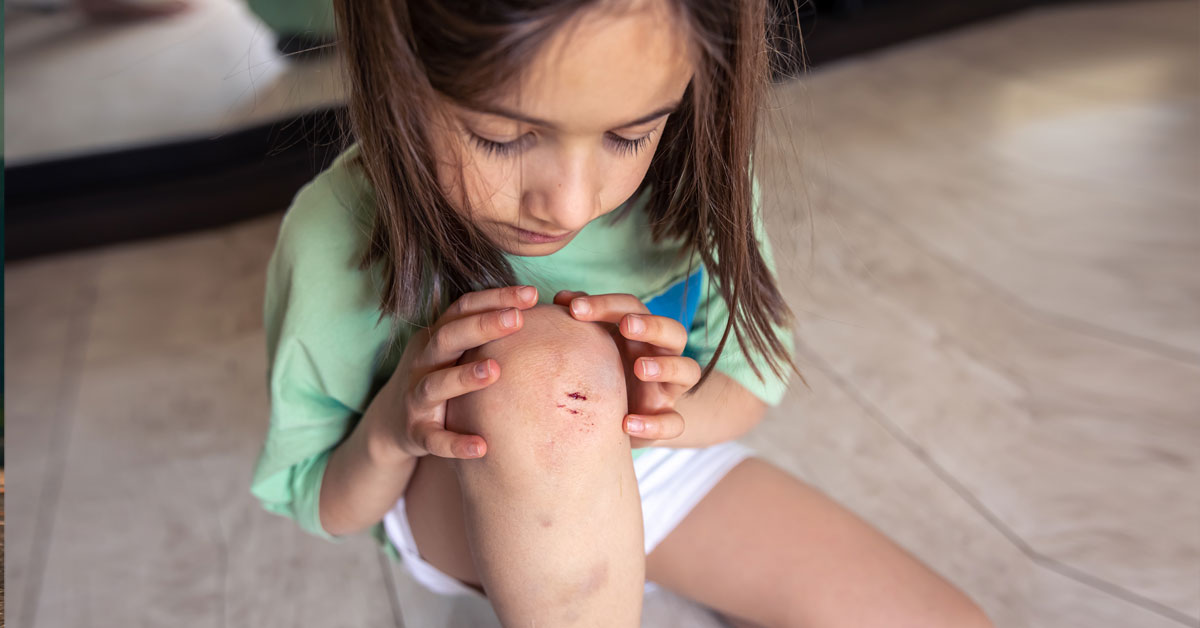
1. Recognizing the Signs of Bullying
Children may not always speak openly about being bullied. Parents must be attentive and look for subtle changes. (What is Bullying?)
- Physical signs: repeated injuries such as bruises or scratches, or frequently missing belongings
- Emotional signs: frequent sadness, anxiety, or sudden personality shifts
- Behavioral signs: reluctance to attend school, declining grades, or social withdrawal
These signs may indicate more than just mood swings; they could be warning signals that your child is under significant stress. Early detection allows parents to intervene before the situation escalates.

2. Communicating Effectively with Your Child
Your initial response upon learning about bullying has a profound impact on your child’s resilience.
- Listen attentively: Allow your child to speak without interruption.
- Show empathy: Reassure them with statements such as, “It’s not your fault.”
- Avoid rushing to solutions: Give your child space to express themselves, while you remain a supportive guide.
This approach helps children feel safe and encourages them to work together with their parents toward a solution.

3. Working with the School to Resolve the Issue
The school is a critical partner in addressing bullying.
- Inform teachers and counselors: Share details of the incidents calmly and factually.
- Review the school’s anti-bullying policies: Understanding procedures will help you shape an effective response.
- Document evidence: Keep records such as texts, emails, or photos that may support the case.
Collaboration with the school not only protects your child but also contributes to creating a safer environment for all students.
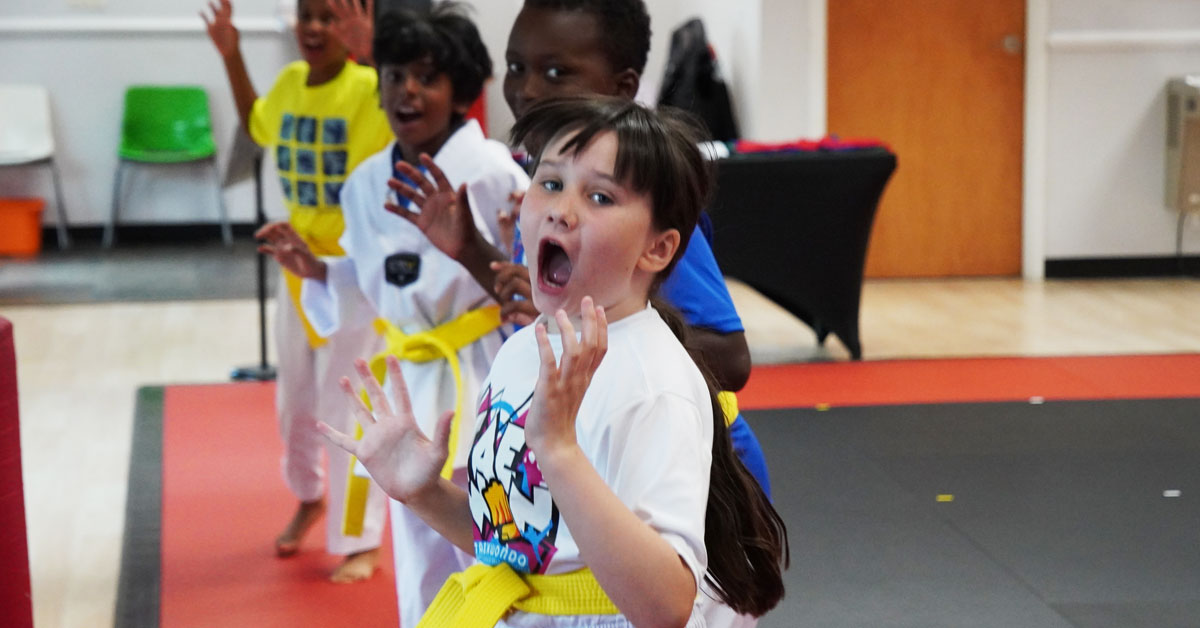
4. Supporting Your Child's Emotional Recovery
Bullying leaves emotional scars that can be as harmful as physical ones.
- Rebuild self-esteem: Offer praise and create positive experiences that restore confidence.
- Encourage healthy social connections: Help your child build friendships and join supportive peer groups.
- Seek professional help: If the emotional impact is severe, professional counseling can be highly beneficial.
Enroll in programs like Taekwondo: Martial arts such as Taekwondo provide more than self-defense skills. They instill discipline, respect, and self-control while building both physical and emotional strength. Children gain the confidence to believe, “I can stand up for myself,” which is vital in the healing process.
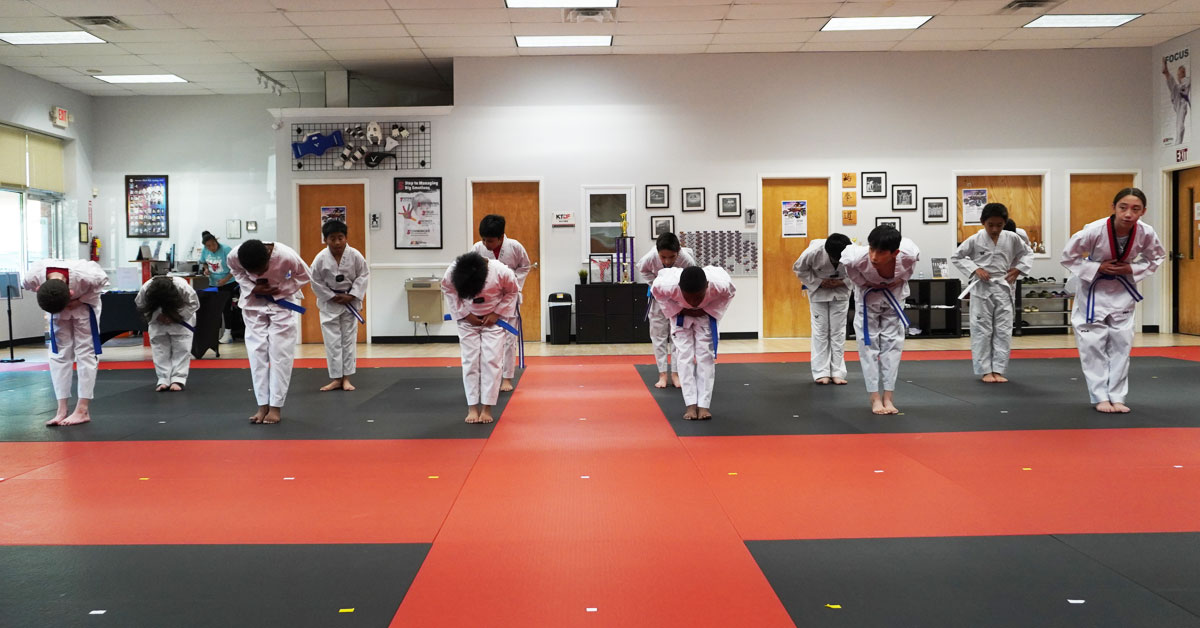
5. Prevention Strategies and Long-Term Approaches
Parents should not only focus on immediate responses but also take proactive steps to prevent future incidents.
- Home education: Continuously teach values of respect, empathy, and open communication.
- Cyberbullying awareness: Discuss the risks of online bullying and promote safe internet use.
- Ongoing dialogue: Maintain regular conversations with your child to detect issues early.
Taekwondo training as prevention: Taekwondo is not about fighting(What is Taekwondo? A Simple Guide for Parents); it teaches children to carry themselves with confidence and dignity. This reduces the likelihood of being targeted and equips them with the resilience to handle challenges. At the same time, they learn respect for others, making it a powerful long-term strategy against bullying.
These strategies foster self-protection and help children develop strong social skills that will benefit them throughout their lives.
Conclusion
The most important role a parent can play when their child is being bullied is to be a safe and reliable source of support. By recognizing the signs, fostering open communication, and working with the school and professionals, parents can assure their children that they are not alone. Additionally, programs such as Taekwondo can empower children with confidence, resilience, and respect—making it an essential tool for both recovery and prevention. The key message is clear: bullying can be overcome, especially when parents and children face it together.
